

A Comprehensive Approach
Social Media Investigation (Jury Selection)
People document their own lives far more thoroughly than any investigator could, and in a civil, family or injury case that record is frequently the most useful evidence available. The work is not browsing. It is finding the right accounts, establishing that they belong to the person you think, capturing what they say in a form a court will accept, and doing all of it without stepping over a line that would make the whole exercise worthless.
What we actually do. Identify accounts across platforms, including ones in a maiden name, a nickname, or in Spanish. Attribute them — a profile is only evidence once you can show whose it is. Capture posts, images, video, comments and timestamps with the metadata intact and a documented chain of custody. Reconstruct timelines from what was posted and when. And monitor for new material over the life of a case, since the useful post is often made after a claim is filed, not before.
Where the limits are, and why they are not negotiable. We work with what is publicly visible. We do not send friend or follow requests under a false identity, we do not create fake accounts, we do not log into anyone’s profile, and we do not ask a third party to do any of that on our behalf. Evidence gathered that way is not just inadmissible — it is an invitation to a motion that puts your own investigator on the stand explaining themselves.
Jury research, handled correctly. Reviewing the public record of a panel for stated positions, affiliations and prior statements is ordinary trial preparation. Contacting a juror, connecting with one, or doing anything a juror could notice is not, and we do not do it. The report tells counsel what is publicly knowable and nothing about how it was obtained that would be awkward to explain.
Miami makes this a bilingual exercise. A great deal of relevant content here is posted in Spanish, in local slang, or across platforms that an English-only review simply never surfaces. We read it in the language it was written in, and we translate it accurately when it has to be exhibited.
What does a juror social media investigation include?
What We Do
What do investigators look for in a juror’s social posts?

We review past and present posts across multiple social media platforms to assess opinions, statements, or behaviors that might suggest bias.
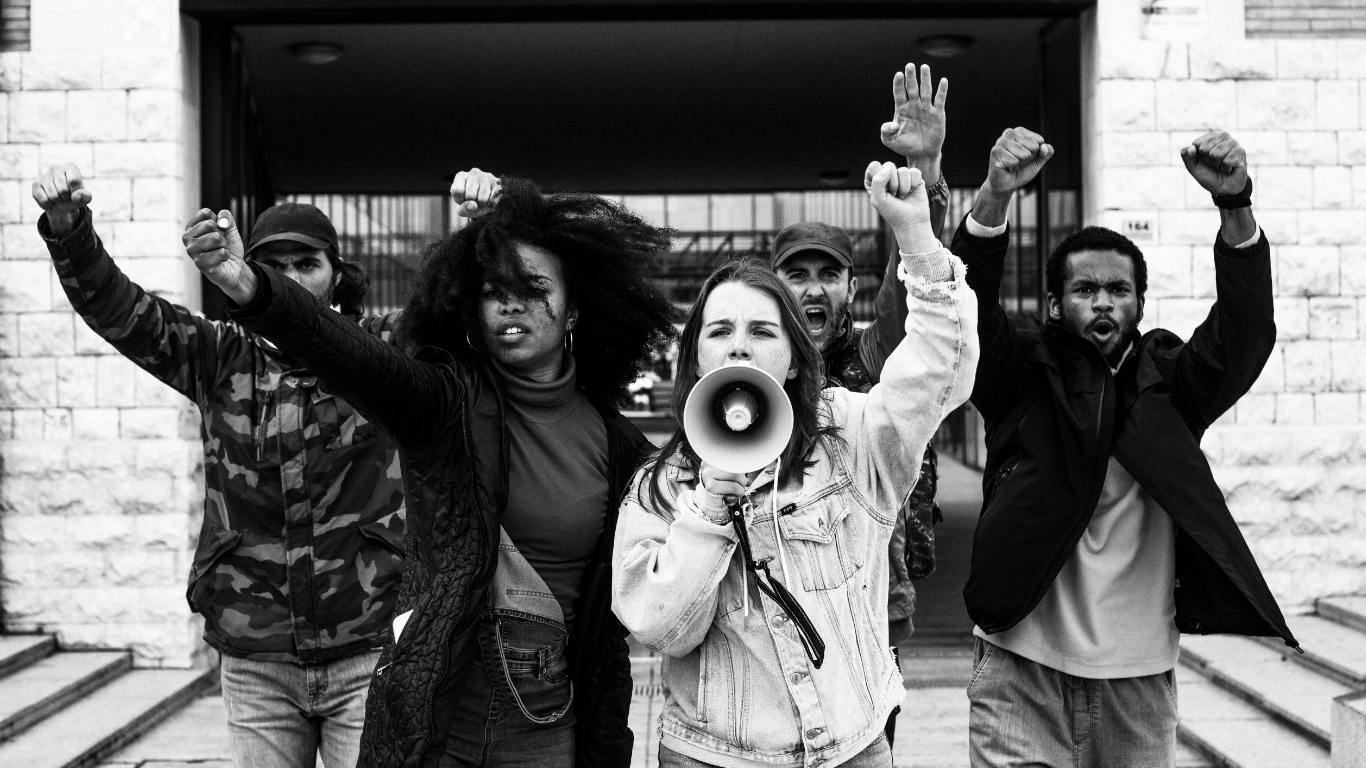
Political and Social
Affiliations

Understanding a juror’s political stance, memberships, or affiliations with specific groups can provide valuable context about their potential leanings.

Can a juror’s online comments reveal bias?

Jurors may have shared strong views on legal matters, justice system reform, or high-profile cases, which could impact their judgment in a trial.

Personal Interests and Lifestyle Choices

Examining hobbies, interests, and lifestyle choices can offer insight into a juror’s perspectives and how they may relate to a case.
Connections and
Influences

Identifying the juror’s online social circles can shed light on potential influences that might shape their views.
Why Trust Us for Your Investigation Needs
1. Data-Driven Jury Selection
By leveraging this investigative approach, we empower our clients to strategically evaluate and select jurors who are most likely to deliver a fair and impartial verdict. Our findings are compiled into detailed, easy-to-digest reports that can be used during voir dire (jury selection questioning) to challenge potential jurors when necessary.
2. Ethics and Compliance
At our agency, we prioritize ethical and legal compliance in all our investigations, ensuring that our methods adhere to the highest standards of professional conduct. We only use publicly available data and remain committed to conducting our work with integrity and discretion.
3. Uncovering Hidden Biases
With extensive experience in social media investigations, we understand how online activity can reveal hidden biases or predispositions. Our expertise allows us to provide law firms and insurance companies with the critical insights needed to strengthen their case and safeguard the fairness of legal proceedings.
4. Build a Stronger Case
Trust our team to uncover the information that matters. Let us help you build a strong case by ensuring that the jury selection process is informed, strategic, and fair. Contact us today to learn more about how our Social Media Investigation for Jury Selection can benefit your legal strategy.
Let me know if you’d like me to make any changes!
Social media platforms can contain publicly available information that may be relevant to an investigation. A social media investigation in Miami involves researching and documenting appropriate online information.
What Is a Social Media Investigation?
A social media investigation may involve researching publicly accessible:
- Profiles
- Posts
- Photographs
- Professional information
- Public interactions
- Other publicly available online content
Professional Social Media Research
Investigators should use lawful research methods and carefully document information that may be relevant to the client’s investigative objectives.
Who May Need Social Media Investigations?
Social media investigations may be relevant to:
- Attorneys
- Businesses
- Insurance professionals
- Individuals
- Investigative professionals